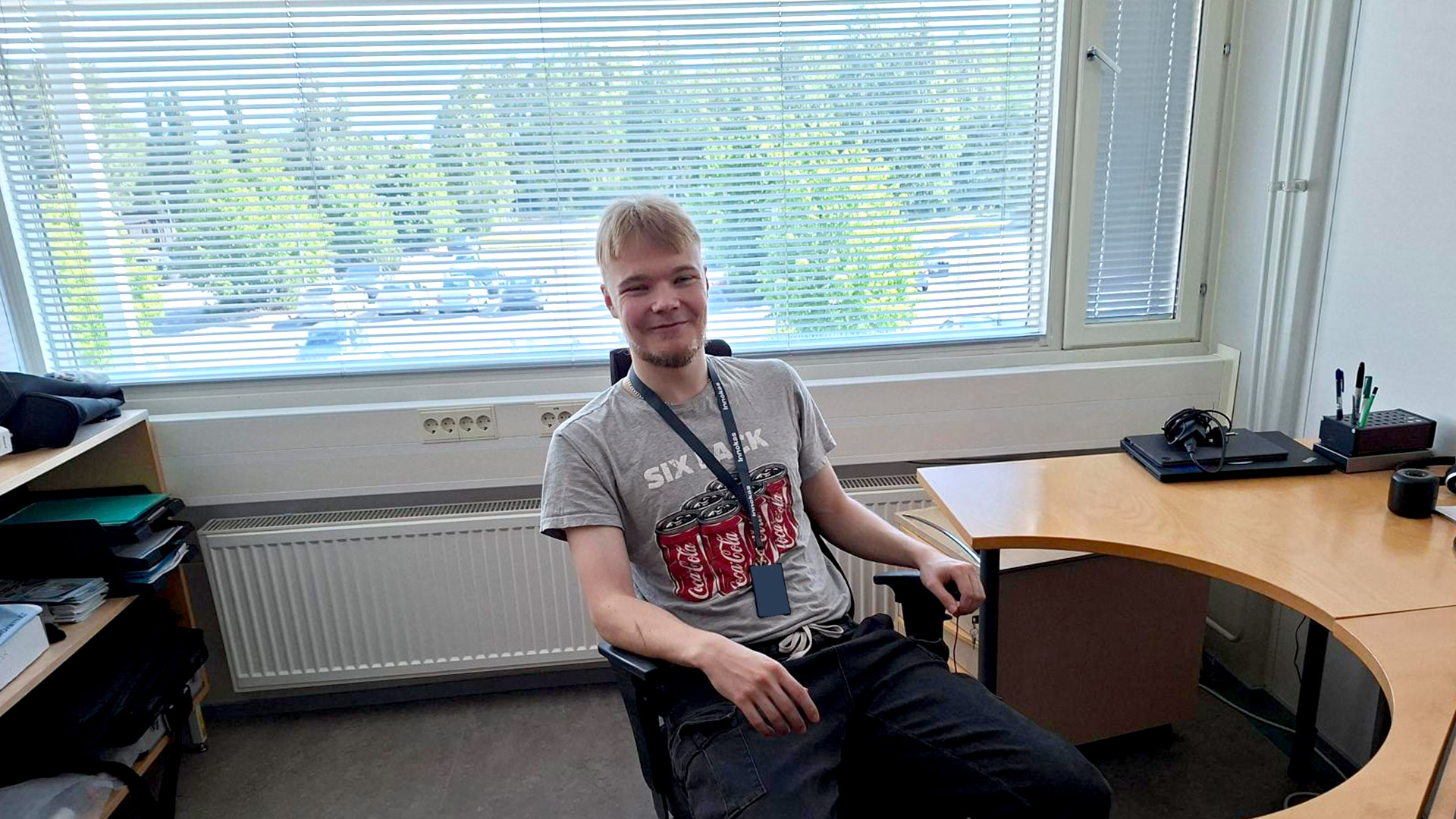

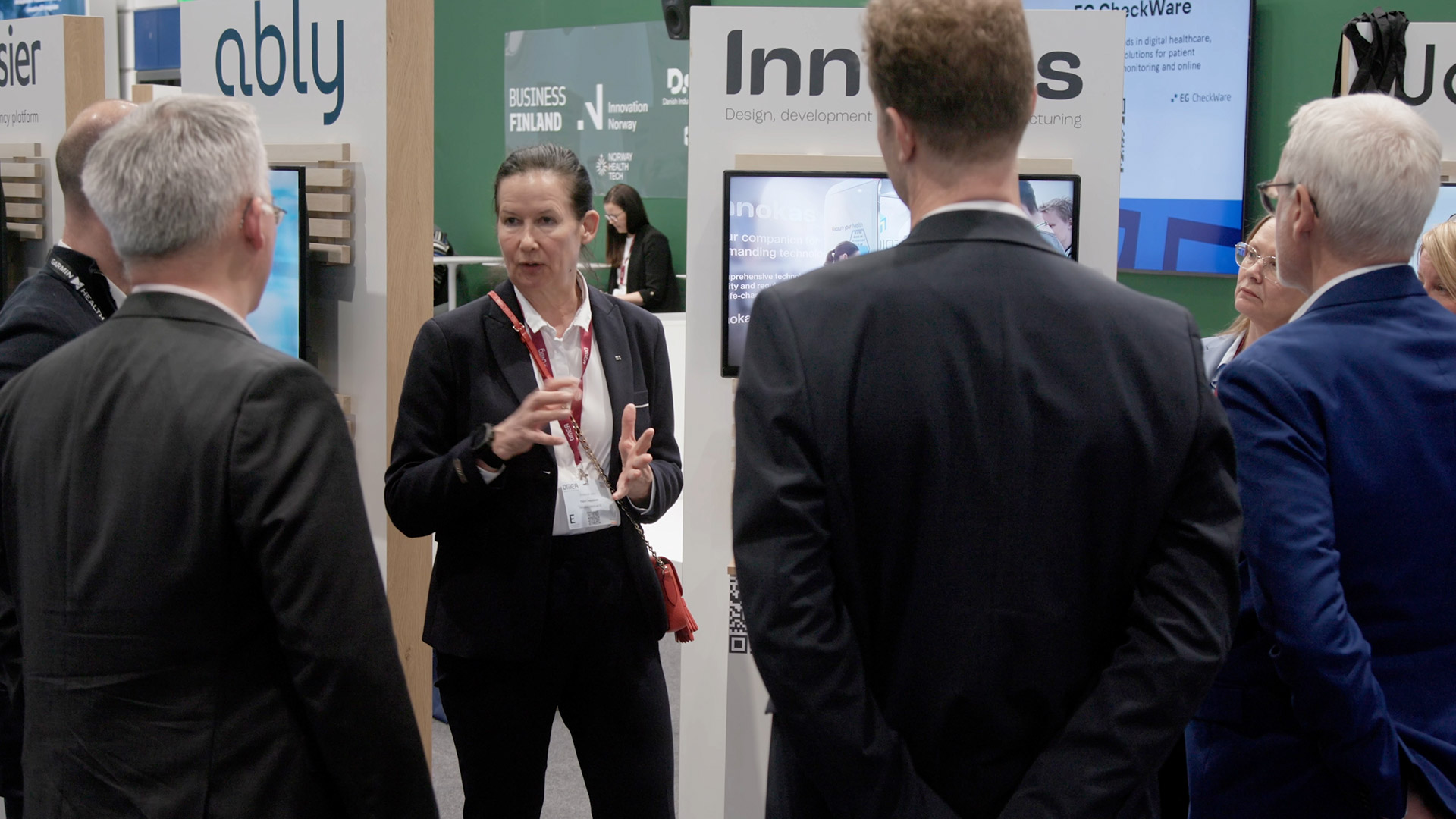
Photo features some of our very own QA/RA experts; Emi Iizuka, Minna Eskola and Parisa Farzanehkari, who all bring their unique expertise to a comprehensive approach that delivers well-informed, nuanced support where it matters most.
Published on 16.12.2025
Doesn't matter wheter you're a startup or a scale-up, Quality Assurance (QA) and Regulatory Affairs (RA) expertise will always be essential for the safety, credibility, and market success of regulated products. With the right guidance, you can stay focused on innovation while still ensuring compliance, minimizing risks, and speeding up your path to market. But how do you know what scale of support you should seek? Should you engage a full QA/RA team, or will a single expert suffice? Let’s review which aspects contribute to this decision the most.
If your product involves advanced technologies, such as AI, software as a medical device (SaMD), or hardware with strict safety standards, a full QA/RA team may be necessary. A multidisciplinary team brings diverse perspectives and deep expertise across areas like:
• Usability and clinical evaluation
• Biocompatibility and risk management
• Cybersecurity and AI compliance
For example, Innokas’ QA/RA team includes specialists in each of these domains to ensure comprehensive oversight from concept to CE marking.
European Medtech sector operates within a highly regulated EU framework. While a single expert might suffice for straightforward products, complex regulatory pathways, often under MDR, require a team approach. A full-service partner can also adapt their certified Quality Management System (QMS) to your needs, which is especially valuable if you're starting without one.
Startups and small teams may lean toward hiring a singular expert or fractional support. However, as your portfolio grows, a scalable QA/RA partner offers the flexibility and depth needed to support expansion. Larger companies benefit from faster turnaround times and broader coverage with a full team.
Early-stage companies often begin with foundational QA/RA support. As development progresses, transitioning to a full team ensures readiness for audits, clinical evaluations, and market entry. If your partner also offers product development and manufacturing capabilities, you gain a one-stop-shop to bring your device to market with significantly reduced internal workload.
Ultimately, the choice between a full QA/RA team and a singular expert depends on your product, goals, and growth trajectory. Both models offer value, but the right partner will help you navigate regulatory complexity with confidence.
In the European Medtech landscape, where innovation meets strict compliance, outsourcing QA/RA to a trusted partner is a strategic investment. The gained value doesn't lie only in the met requirements, but having your innovation cycles accelerated with reducing risk while staying competitive.
From new device launch to scaling your portfolio, the right QA/RA support can make all the difference. If you're exploring outsourced expertise, let's discuss how a tailored partnership can help bring your innovation to market faster and safer.

Editors

Sandra Hänninen
QA/RA specialist

Parisa Farzanehkari
Clinical affairs specialist
parisa.farzanehkari@innokas.eu

Emi Iizuka
Clinical affairs specialist
Here you can find more of our latest news and insights in this category.
Here you can find more of our latest news, tips and insights.
.jpg)
Here you can find more of our latest news and insights.
Here you can find more of our insights, news and tips.

Here you can find more of our insights, news and tips.
.jpg)



.jpg)




.jpg)