
Published on 5.3.2026
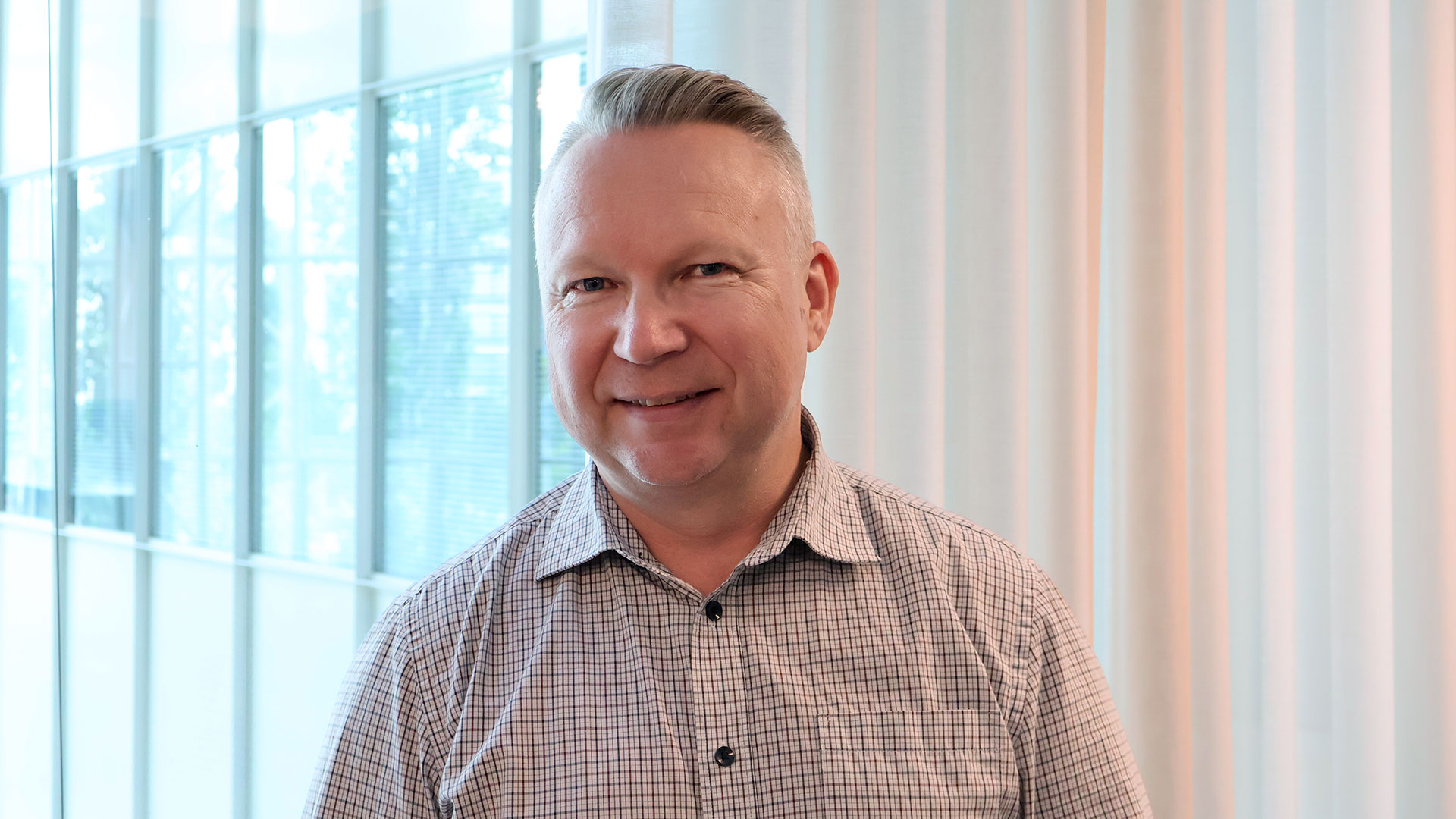
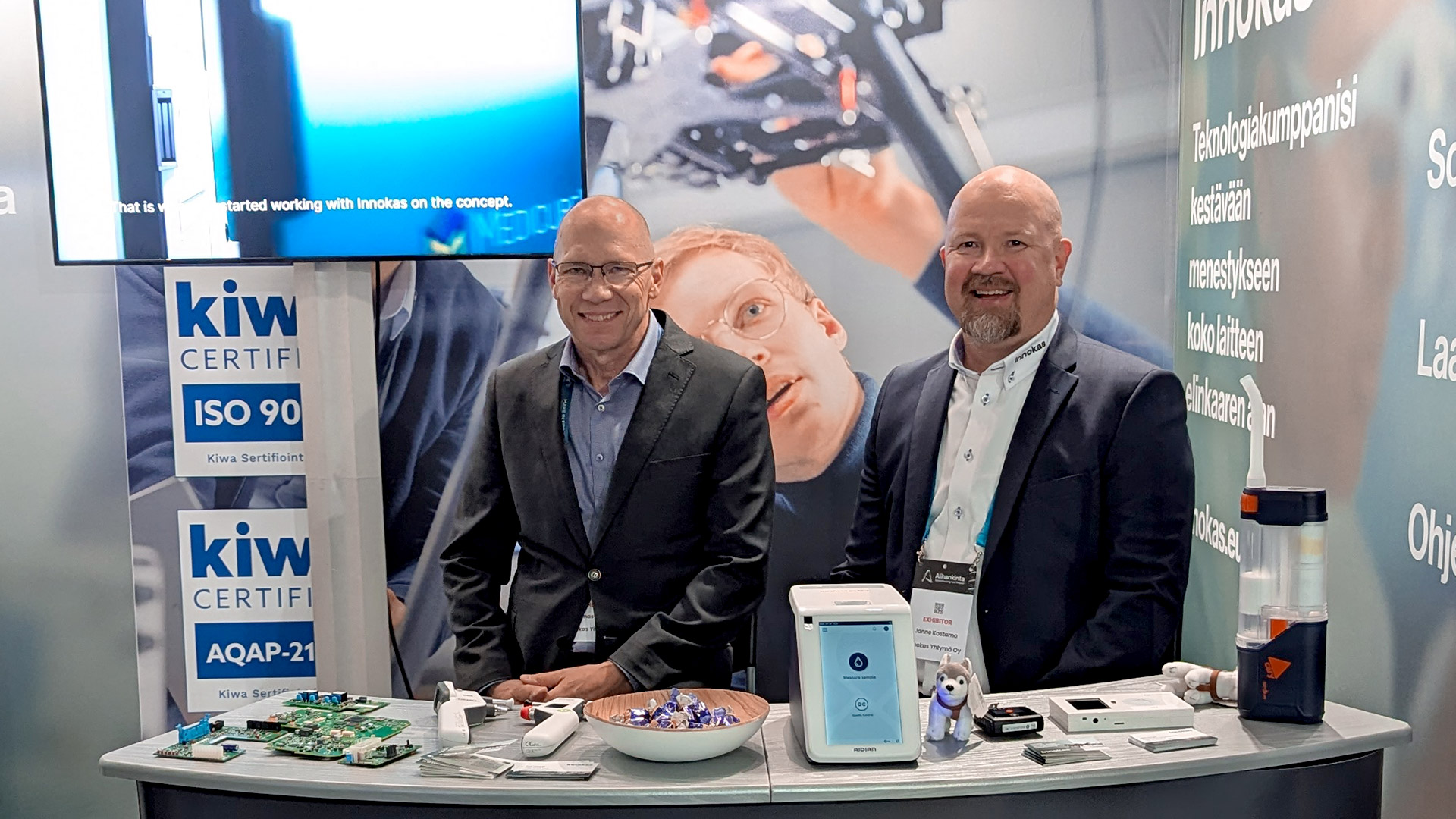
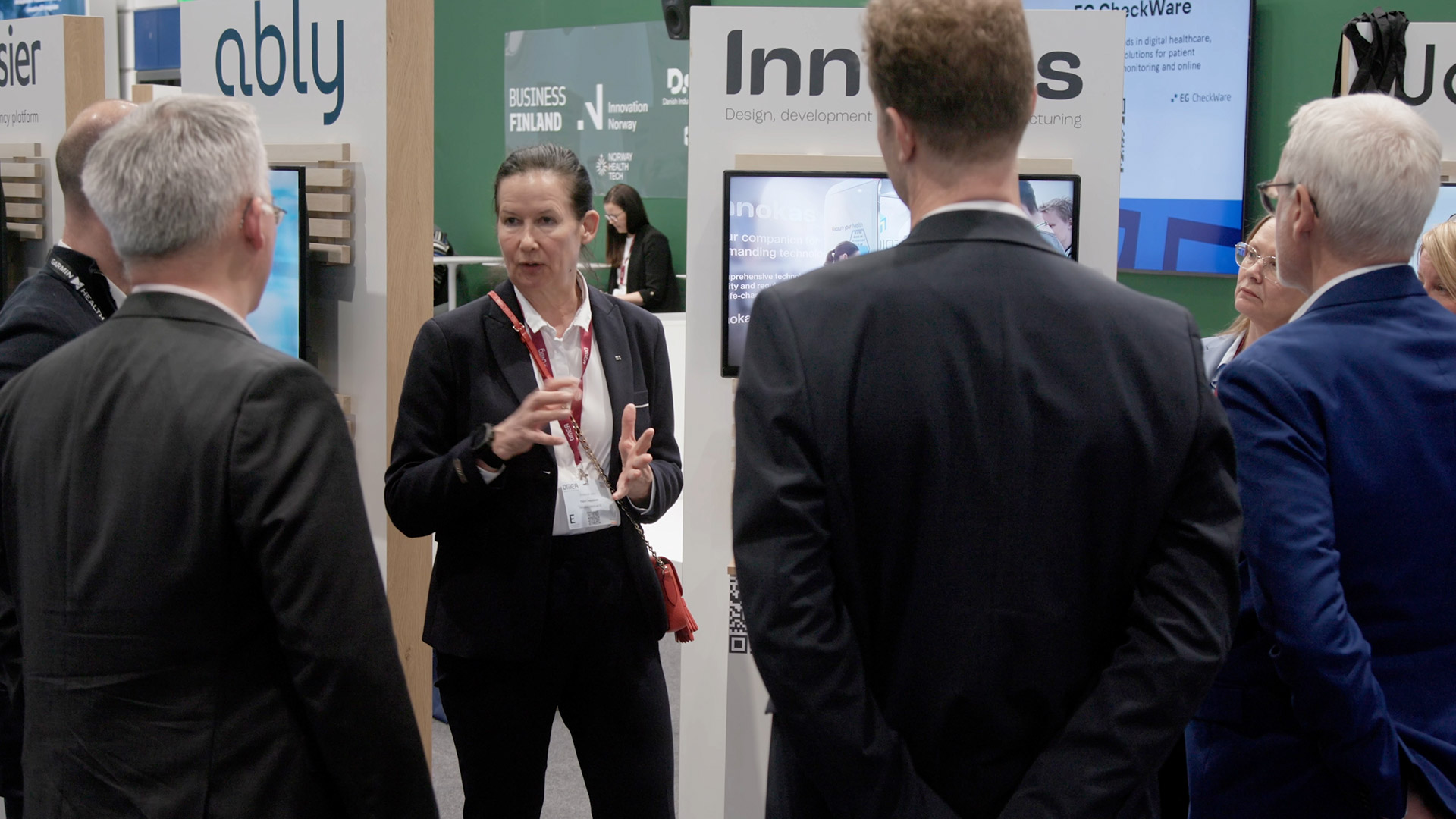
This year’s World Health Expo brought record participation and an impressive concentration of global healthtech innovators. Representing Innokas, Mostafa Aseem had a busy and inspiring few days filled with conversations on the rapidly evolving needs of the industry. While AI and software were at the forefront of many discussions, it’s clear that the ecosystem’s interest extended far beyond algorithms.
Across the event and Mostafa’s many meetings, attendees were especially eager to learn about Innokas’ electromechanical design capabilities, design and development services, software expertise, and QA/RA support for MDR transitions and documentation readiness for both MDR and FDA requirements.
One frequently asked question was: “What makes Innokas a unique product design partner?” Mostafa went for a solid and illuminating answer for this one. “Innokas is not just a design house. We are a design, development, regulatory, and manufacturing partner; a full product lifecycle under one roof. Even though you’d only partner for design services, you get the added expertise from all the other paths your product takes to the market.”
Another challenge Mostafa was set with were question on why develop a product in Finland. As Mostafa highlighted, customers working with Innokas gain access to worldclass Nordic engineering competence in a cost-effective way, further strengthened by our efficient production operations in Estonia. Quality, our non-negotiable foundation, recurred as a theme throughout these exchanges.

A particularly meaningful part of the discussions centered around Design for Excellence (DfX). Mostafa presented how Innokas integrates DfX thinking from the very earliest concept stages, much before detailed design or prototyping begins.
DfX means bringing manufacturability, cost-efficiency, reliability, regulatory pathways, cybersecurity, sustainability, and future lifecycle needs into the design process from day one. When mechanical, electronic, software, regulatory, and manufacturing perspectives become part of the development from the early stages, the resulting product is not only innovative, but designed for manufacturability (DfM), certifications, and being maintainable at scale at the later stages.
This approach addresses common late-stage surprises and expensive redesigns that often occur when design and production are disconnected. By embedding manufacturing and regulatory insight early on, the transition from concept to production becomes faster and significantly more predictable.
We extend a warm thank you to everyone who met and challenged us with great questions throughout the event. These conversations sharpen our understanding of industry needs and reinforce what can be achieved through open conversation and collaboration. Thank you for inspiring us. Contact through the link below to keep the conversation going!

Here you can find more of our latest news and insights in this category.
Here you can find more of our latest news, tips and insights.
.jpg)
Here you can find more of our latest news and insights.
Here you can find more of our insights, news and tips.

Here you can find more of our insights, news and tips.
.jpg)




.jpg)


.jpg)