
Published on 18.11.2026
A product may remain in production for years, while the components inside it become unavailable or are replaced by newer technology. This is component obsolescence. A necessary evil that can’t always be avoided, but luckily, it can be managed. When a supplier announces a component is at end of life (EOL), decisions need to be made to keep the production running.
Buying the remaining stock can help. But how much should be bought? Is a replacement available? Would a product redesign be a better option?
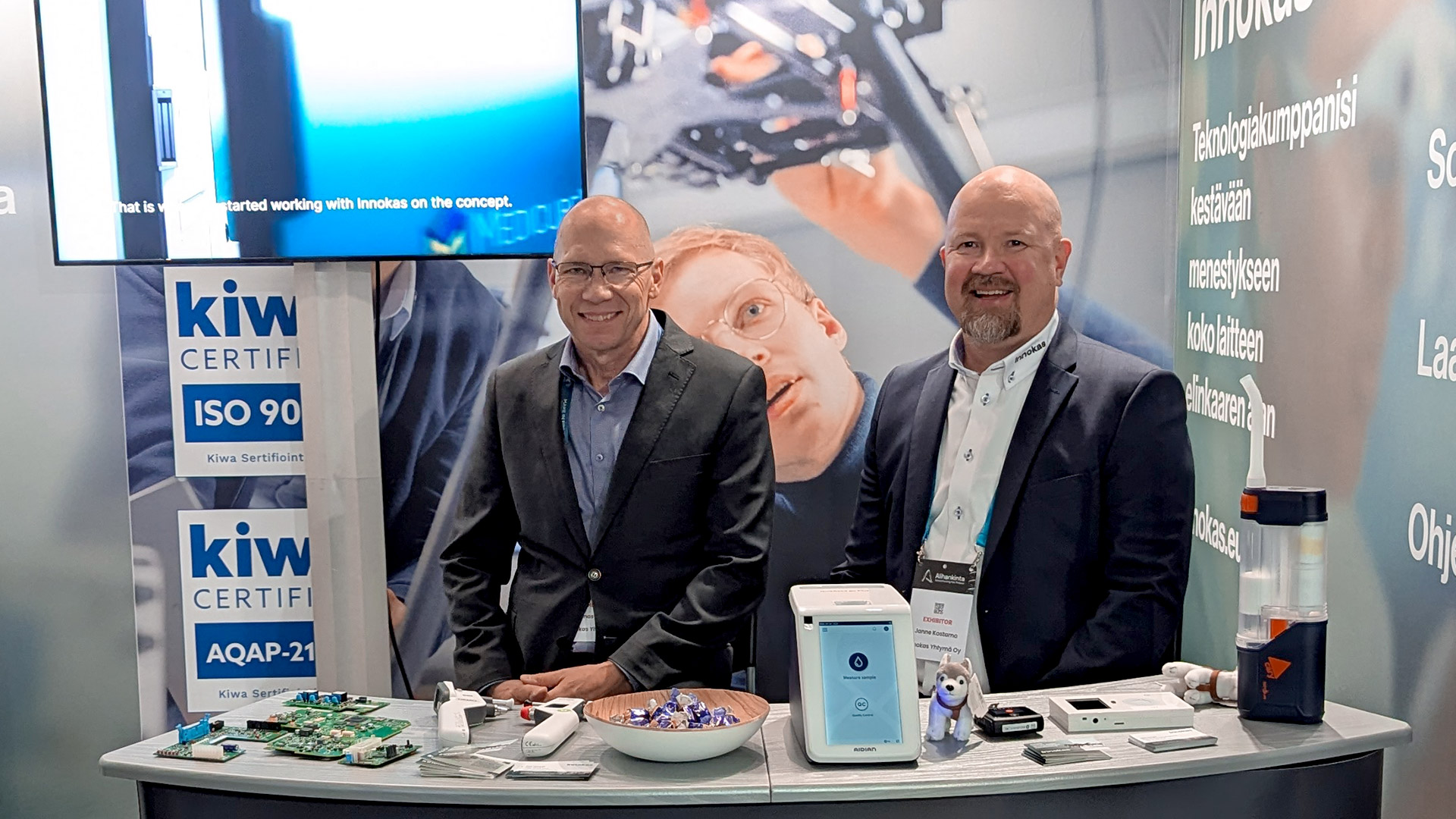
Innokas’ Sami Melkoniemi, Head of Engineering and QA/RA, and Sanna Laakso, who leads the purchasing team, explain what to consider when assessing these options and how earlier design decisions can make future changes easier.
A final purchase before a component is discontinued is often called a last-time buy. It can cover remaining production needs or give the engineering team time to update the design.
The quantity of the stock to buy depends on a few key facts aside from the number of current orders. Purchasing also needs to know how long the existing product will remain in production and whether a newer version will replace it. Otherwise, the company may end up buying components it no longer needs.
A last-time buy also has limits. It secures stock of one component, while others in the product may still become unavailable. Planning ahead does not remove the need to respond when a new EOL notice arrives. “You still have to respond immediately, however much lifecycle planning you do,” says Sanna.
An alternative component may appear suitable on paper, but that does not necessarily mean it can be used as a replacement. Sanna explains that if the contract manufacturing customer has specified a particular component type, changing it requires an update to the bill of materials (BOM), the list of parts specified for the product, as well as customer approval, even when the change is minor.
Engineering and quality teams also need to assess what the change means for the product itself. Sami notes that the testing and approval work depends on the nature of the change. “Identifying alternative options early gives the team more options and creates opportunities to compare suppliers and component prices, particularly for high-volume products,” he says.
However, if several alternatives are also being discontinued, it is worth checking whether the underlying technology is changing. Newer technology may be replacing the existing approach, leaving fewer suitable components available. Understanding the change after repeated EOL notices will help assess whether to keep looking for alternatives or consider a product redesign with the new technology in mind.
Design decisions made early in development have a big impact on how easily a product can be repaired or updated later.
Sami illustrates this with a display designed to be removed without damaging the enclosure or wiring. If the display fails, it can be replaced without discarding the whole device. This is a modular design: making an assembly replaceable to help keep the rest of the product in use.
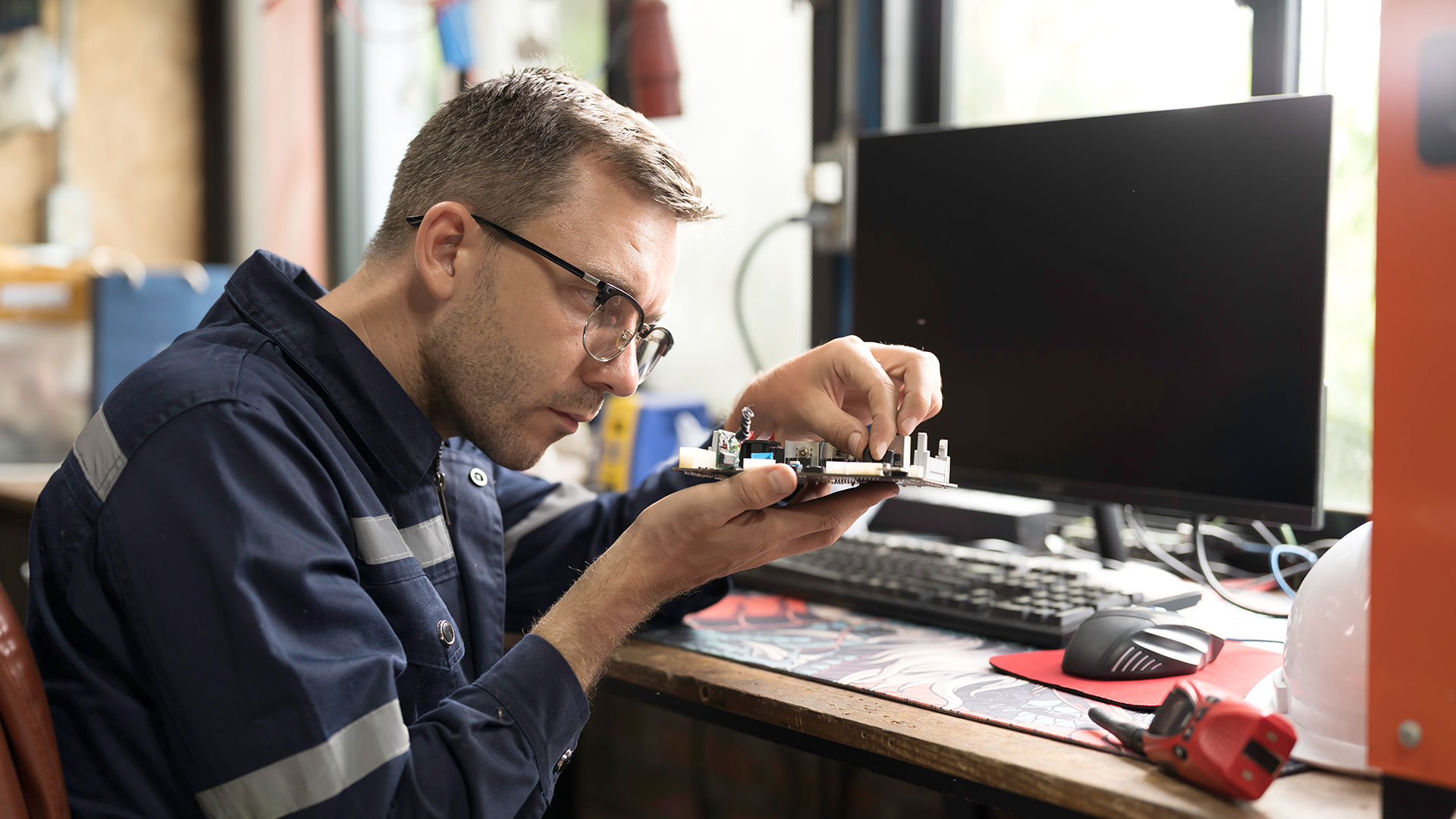
But physical replacement is only part of the picture. A new communications board may also require software changes, and the connectors used to join assemblies can themselves become unavailable. Designing for replacement therefore means considering both how a part can be removed and what else may need to change when a new one is installed.
Managing discontinued components is best done by connecting purchasing decisions with product plans, technical requirements, and future maintenance.
Earlier planning cannot prevent every disruption, but it can give the company more ways to respond. If you have questions about component availability or planning for future changes, get in touch with us to discuss the options available for your project.

Based on an interview with

Sanna Laakso
Team Leader, Purchasing, Innokas

Sami Melkoniemi
Head of Engineering and QA/RA, Innokas
Here you can find more of our latest news and insights in this category.
Here you can find more of our latest news and insights.
Here you can find more of our insights, news and tips.

Here you can find more of our insights, news and tips.