
Published on 15.7.2026
Hobbies can help us excel at our work in ways we may not realise. Aside from offering much-needed balance in our busy lives and giving us something meaningful to focus on during our off-hours, sometimes they teach us something about the way we think, solve problems and approach challenges in our work.
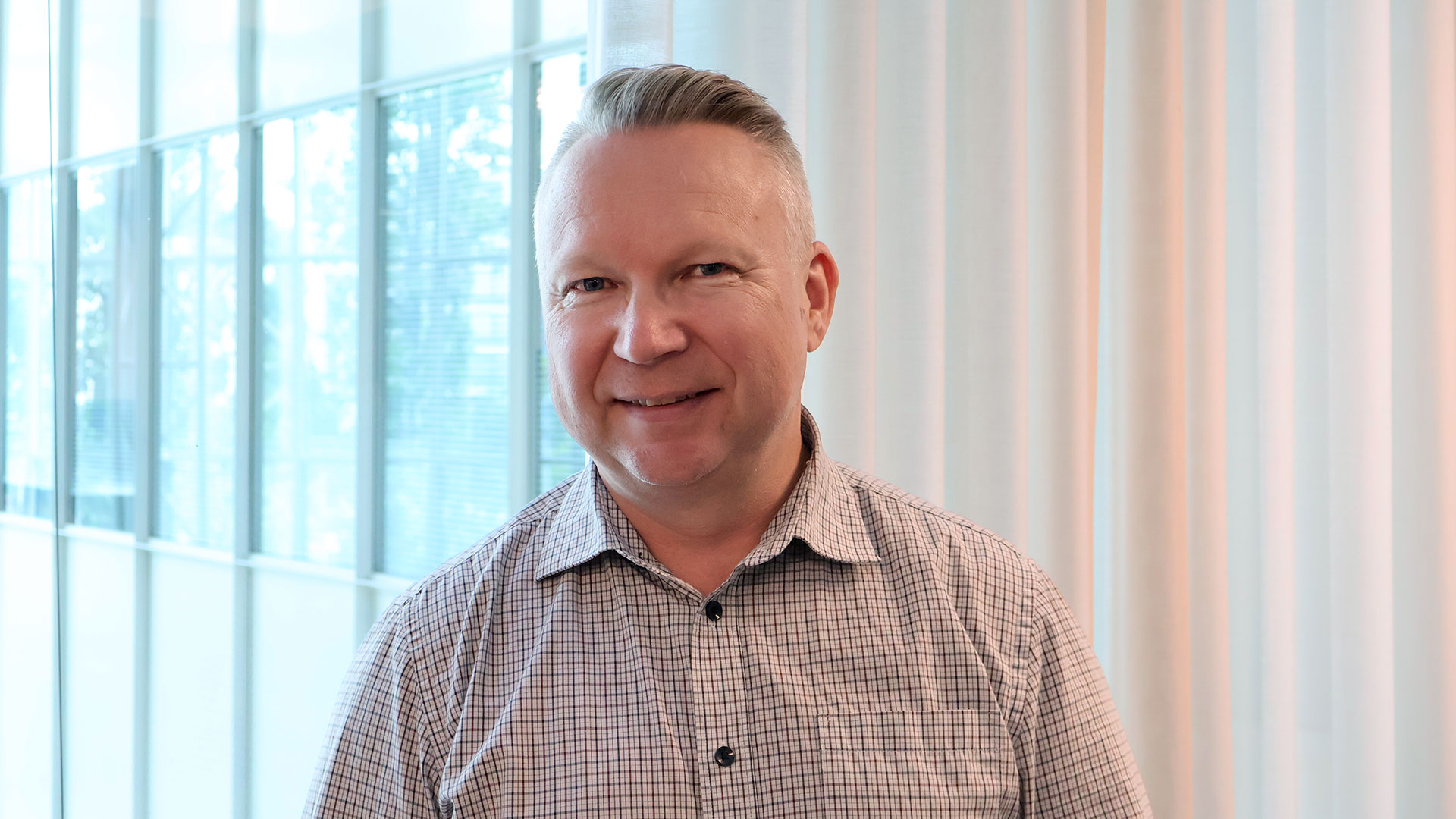
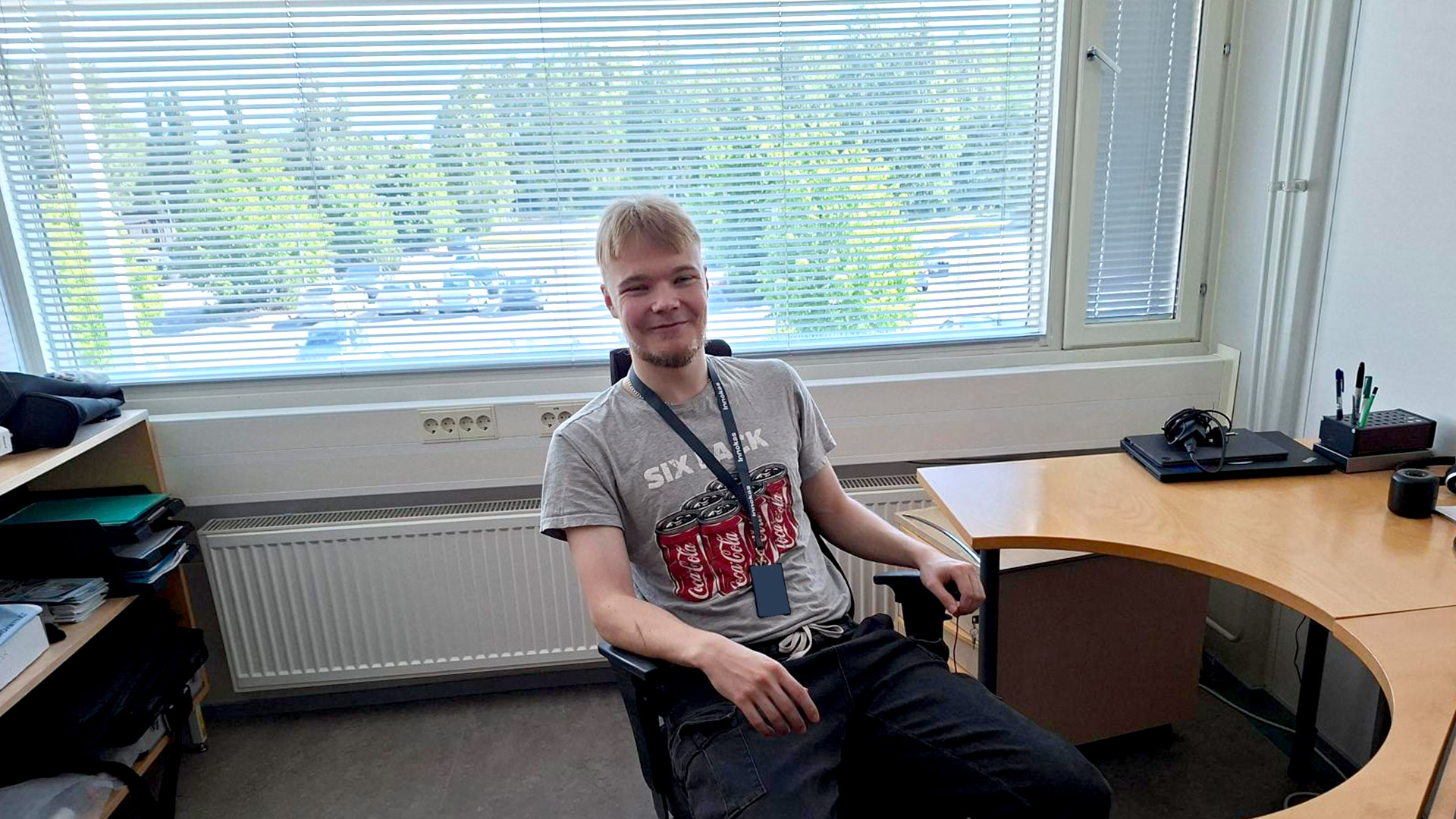
For Arttu Pohja, Software Engineer at Innokas’ Espoo office, that hobby is climbing, especially bouldering. Arttu works with embedded software for medical devices and has been part of Innokas for a little over five years. He first joined the company alongside his studies and has now worked full-time for a couple of years.
“I’ve been doing similar work from the beginning,” Arttu says. “These are the kinds of tasks I feel I could keep doing for the rest of my life.”
Arttu started climbing around three years ago after trying it through some connections who were already into the sport. What began as a simple trial soon turned into something that lasted.
“I have a tendency to get really into new things, but sports usually don’t last this long for me. This one has stayed with me, and quite intensively too,” he says.
Although climbing can mean many things, Arttu’s focus has mainly been on bouldering. Compared to rope climbing on higher walls, bouldering is done on lower climbing walls without ropes, with thick mats underneath. The routes, often called problems, challenge both body and mind.
For Arttu, that combination is exactly what makes the hobby so appealing.
“There is this problem-solving side to it, and then also learning to understand your own body, different positions and usage of strength,” he explains.
As a software engineer, Arttu has noticed that climbing seems to attract many people with a similar mindset. At climbing gyms, he often ends up solving routes together with others, only to find out that the person next to him is also a software developer.
“I think the problem-solving aspect might be something that appeals to these kinds of minds,” Arttu says.
The social side of the hobby has also become important. Arttu says there are several people at Innokas who climb, and recently a small group from the Espoo office went climbing together when a colleague from Kempele was visiting.
“It’s quite a social sport. You work on the problems together,” he says.
Like many hobbies that become meaningful, climbing has also required some balancing. Over time, he has found a rhythm that works.
“Nowadays I have a pretty good routine. Almost every other day, I just grab my things after work and go to the climbing gym,” he says.
For Arttu, the balance now comes from knowing when the next session is and being able to fit the hobby naturally into everyday life. It provides a physical counterbalance to software work, while still offering the kind of mental challenge that keeps things interesting.
When asked what he would say to someone who is considering trying climbing, Arttu encourages to give it a go.
“I can say that climbing has a pretty low threshold for trying it out. If you’re a software developer, I would recommend trying it. You might get hooked. At least that’s what happened to me, and I feel like it has happened to many others too,” he says.
So, a friendly warning to software developers that bouldering might be more addictive than expected.

When he's not on a wall, Arttu works as part of Innokas' software development unit developing embedded software. If you are currently problem-solving embedded software related problems in your product development projects, leave us a descriptive contact form though the link below to hear our thoughts.
Based on an interview with

Arttu Pohja
Software Engineer, Innokas
Here you can find more of our latest news and insights in this category.
Here you can find more of our latest news, tips and insights.
.jpg)
Here you can find more of our latest news and insights.
Here you can find more of our insights, news and tips.

Here you can find more of our insights, news and tips.
.jpg)






.jpg)





.jpg)